Our Project
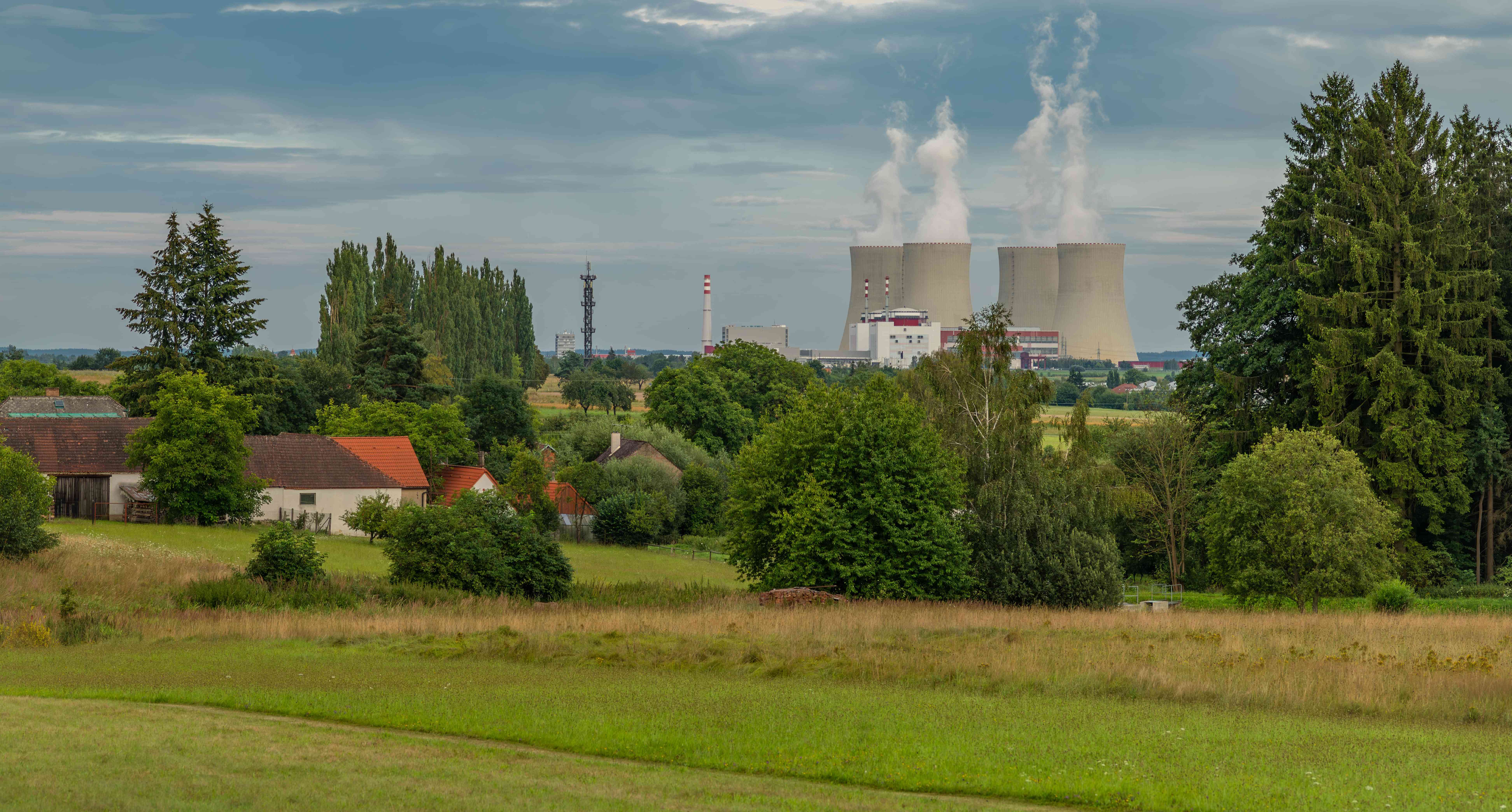
At a time when nuclear energy is being presented as a “green” solution to the climate crisis, the question of what happens to nuclear power plants and facilities when their operating life comes to an end, is an urgent one. We address this complex issue by presenting the first comparative, multidisciplinary study of the decommissioning of nuclear power plants in Western Europe and the United States. While experts evaluate and invest in technological solutions, financing systems and guidelines for the safe decommissioning of obsolete nuclear facilities, there is a lack of engagement with the problems of local communities and the consequences of the future economic and ecological dismantling of decommissioned plants.
The project brings together scientific partners and partners outside of academia (non-profit organizations, researchers, and filmmakers) to challenge the current top-down approach that only considers experts. Instead, it advances a series of transformative initiatives that provide the selected local communities with opportunities for meaningful participation and evidence-based advice on how to organize and prepare for post-decommissioning remediation. In addition, we plan to integrate socio-ecological and cultural factors into the regulatory requirements for decommissioning and to make the decommissioning of nuclear power plants visible as an integral part of their life cycle.
The results will be made available to policymakers in a scientific monograph and articles, as well as in a documentary film, a dedicated website providing an oral history archive, two public workshops and recommendations for action. This will stimulate informed public debates on the possibilities for future investment in the use of nuclear power.
Decommissioning involves deeply transformative processes. Not only these activities cause visible spatial and ecological alterations through the production, transportation, and treatment of waste, and the discharge of decontamination byproducts into the environment, but also cause dramatic uncertainties about the future of host communities for whom nuclear power production is the major source of revenues, jobs, and social identity. Decommissioning projects take several decades (sometimes more than one hundred years), during which multiple generations of managers, workers, and host communities interact, while responding to unforeseen problems. While experts, industry, and regulators continue to assess and invest in technological systems, financial schemes, and guidelines for safely retiring obsolete NPPs, they have only marginally addressed the problems faced by host communities and the future economic and ecological redevelopment of decommissioned sites. (Dis)Empower Communities challenges this top-down, expert-only approach to nuclear decommissioning by advancing an unprecedented
comparative study of decommissioning sites and by implementing a set of transformative initiatives that aim at:
1) providing local communities with evidence-based advice on how to organize and prepare for post-decommissioning redevelopment
2) changing regulatory standards for nuclear decommissioning processes by inviting policy-makers to include socioecological and cultural factors into decommissioning plan requirements;
3) giving visibility to nuclear decommissioning as an integral part of NPPs life-cycle, including costs and socioecological impacts, to stimulate informed public debates on the opportunity of future investments in nuclear power production.
How we work
The project consists of 4 Working Packages (WP), 5 milestones (M), and
4 deliverables (D).
WP1.
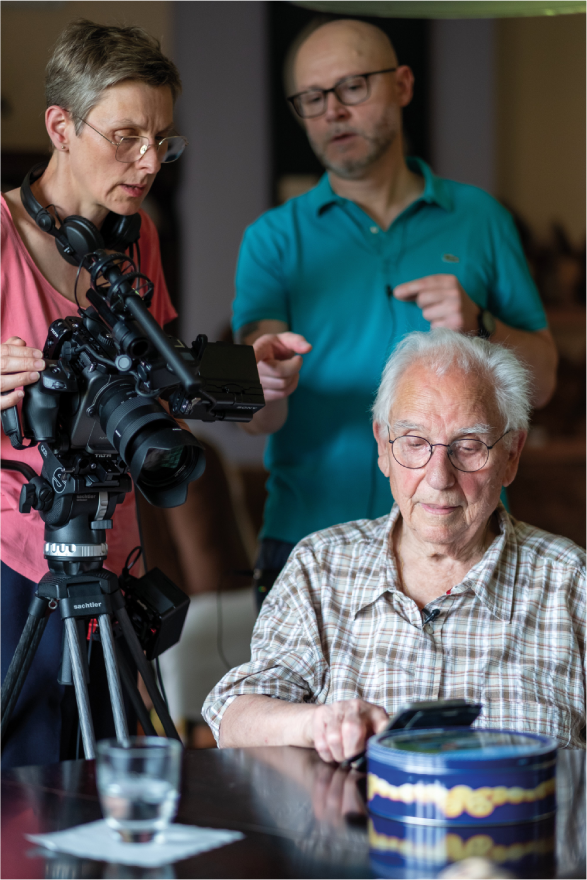
Archival research and fieldwork preparation will start at year 1 and will intensify in years 2 and 3 at all sites. All tasks will be performed by the scientific personnel at LMU and by the NDC staff, in collaboration with Büchner Film, in view of fieldwork and filming.
Research at the municipal, regional, and national archives will be focused on the collection of early reports for projects, together with oral interviews and other public and private documentation about the socioecological transformations caused by the emplacement and displacement of nuclear facilities. Preparation for fieldwork and filming, including semi-structured questionnaires, access permission, and contact of key participants in Germany, Italy, Belgium, and the US will take place. Website construction for organization and access to archived material, including interviews extracts and video material, will start.
WP2.
Fieldwork and filming at decommissioning sites will happen at years 2 and 3 and will be performed by the Project Leader and Büchner Film in Italy, Belgium, Germany, and the US in coordination with the work of the scientific personnel (PhD students) and NDC staff. Interviews with local community members, decommissioning authorities, workers, and management will take place at all sites.
WP3.
Stakeholder forum and policy advice. Two open workshops, one in the US and one in Germany, with representatives of decommissioning stakeholders and academic experts will take place at year 4 near decommissioning sites (Munich for ISAR 1 and 2 and Vernon, for Vermont Yankee). Workshops will be filmed and included in the final documentary.
WP4.
Dissemination and communication will happen at all stages of the research, but will intensify at year 4 and 5, when major outcomes will be delivered. These include discussion of PhD theses, stakeholder workshops, production of policy advice documents, including comments and main results of open workshop discussions. Production of website for open access to research material, video archive, and documentary launch. Book writing and 4 articles.
 NUCLEARDECOM